 Snug Nest
Your builder can execute the home perfectly and it still won’t be the home you imagined.
Two jobs run on the same house at the same time. One of them is written into your building contract. The other one — how each room gets used, where the power lands, what the finishes do in your light — belongs to nobody until you hire someone for it.
“A builder’s job is to build. Our job is to make sure the interior vision is clear enough for everyone to execute consistently.”
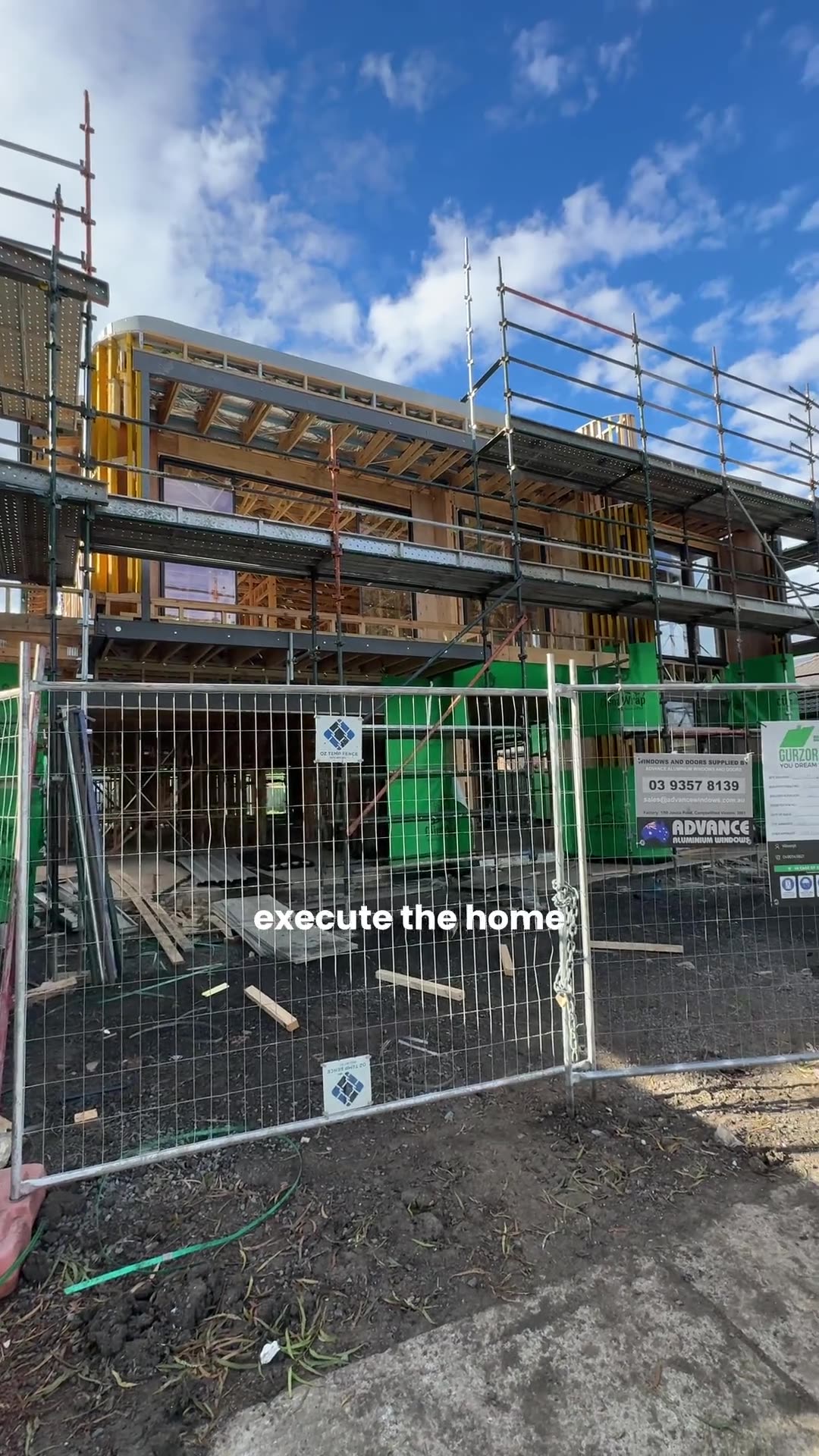

Tap either clip to play it. Sound stays off until you turn it on.
Two jobs. One of them starts a stage earlier.
Permits, structure, trades, program, a fixed price: your builder owns all of it, and owns it well. What no contract covers is whether the floor plan suits the way your family moves, whether the power lands where you will actually stand, or how the finishes you picked under showroom lighting behave in your own.
That is not a criticism of builders. It is a gap in who was hired.
Where is your build up to?
Pick a stage. You’ll see what your builder decides there and what we decide there, across the same seven stages.
Contract signed
Your builder
Permits, structure, trades, program and a fixed price. This is where their contract begins, and they own it brilliantly.
SnugNest
Everything the contract doesn’t name: how each room gets used, where power lands, what the finishes do in your light.
Your stage stays on this device and follows you to every other page. Run all ten decisions
If you are building a standard range and you like it, you do not need us.
A standard range is standard for good reasons. It is priced, it is proven, and the trades have built it a hundred times. Stay inside it and keep your money. The families who call us want something the range does not do, and would rather not find out at lock-up what that costs.
Six things that were drawn correctly, and wrong.
Every one of these was on an approved drawing. Every one would have been built exactly as drawn, inspected, signed off and paid for. None of them is a building error.
What each one costs to fix depends on where your build is up to. Set your stage on the rail above and these re-read themselves.
The sink
A sink position that read perfectly well in plan.
Water onto the benchtop every single day the kitchen got used.
Costs extraKitchen layout and sink position
Plumbing position drives the whole working triangle.
The squeeze
A walkway that measured out fine on paper.
Seven hundred millimetres. You would turn sideways to get past the dining table for as long as you lived there.
Free to changeFurniture clearance
Whether your sofa, bed and dining table actually fit the rooms drawn.
The butler’s area
A butler’s pantry, in the right place, properly specified.
Built as drawn, anyone walking in would have read it as a bar.
Free to changeJoinery and feature walls
Built-in storage and the walls that carry the character of the house.
The ceiling detail
A ceiling detail that was drawn, priced and buildable.
Carved in above a room that already had a chandelier, it would have felt heavy.
Free to changeElectrical and lighting plan
Power points, switches and feature lighting decide how the house feels daily.
The brass arch
An arched brass door, exactly like the reference image.
Almost nobody in Australia curves that. Everything comes back to a straight line, and the quote that came back answered the question for us.
Costs extraWindow and door sizes and positions
Sizes and sill heights set the light and the furniture plan together.
The panels
A wall panel arrangement that looked right in elevation.
You would have had to take it off the wall to clean behind it.
Free to changeJoinery and feature walls
Built-in storage and the walls that carry the character of the house.
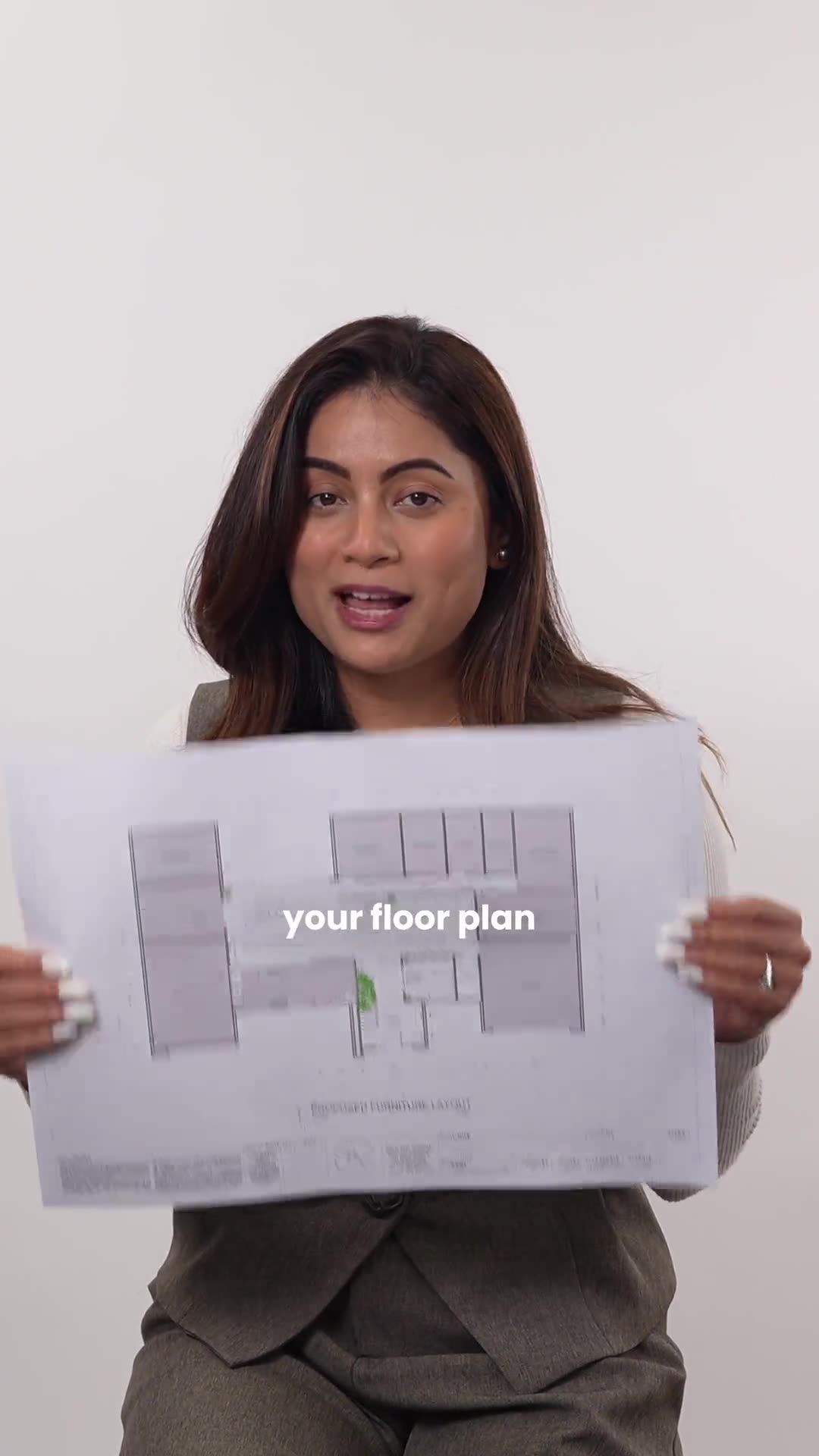
None of those six was found by reading the drawing again. Each one was found by standing in the room at full size, or by pricing the thing before anybody ordered it.
Seven hundred millimetres is a number on a page and a daily annoyance in a house. The only reliable way to tell those two apart is to go and look while the walls are still open.
Every one of those was caught while it was still on paper. If your build is already underway, the useful question is which of yours is still worth changing.
Bring the plans you have and whatever the builder has already locked. Srishti will tell you what is still open at your stage, and what has gone past the point of being worth undoing.
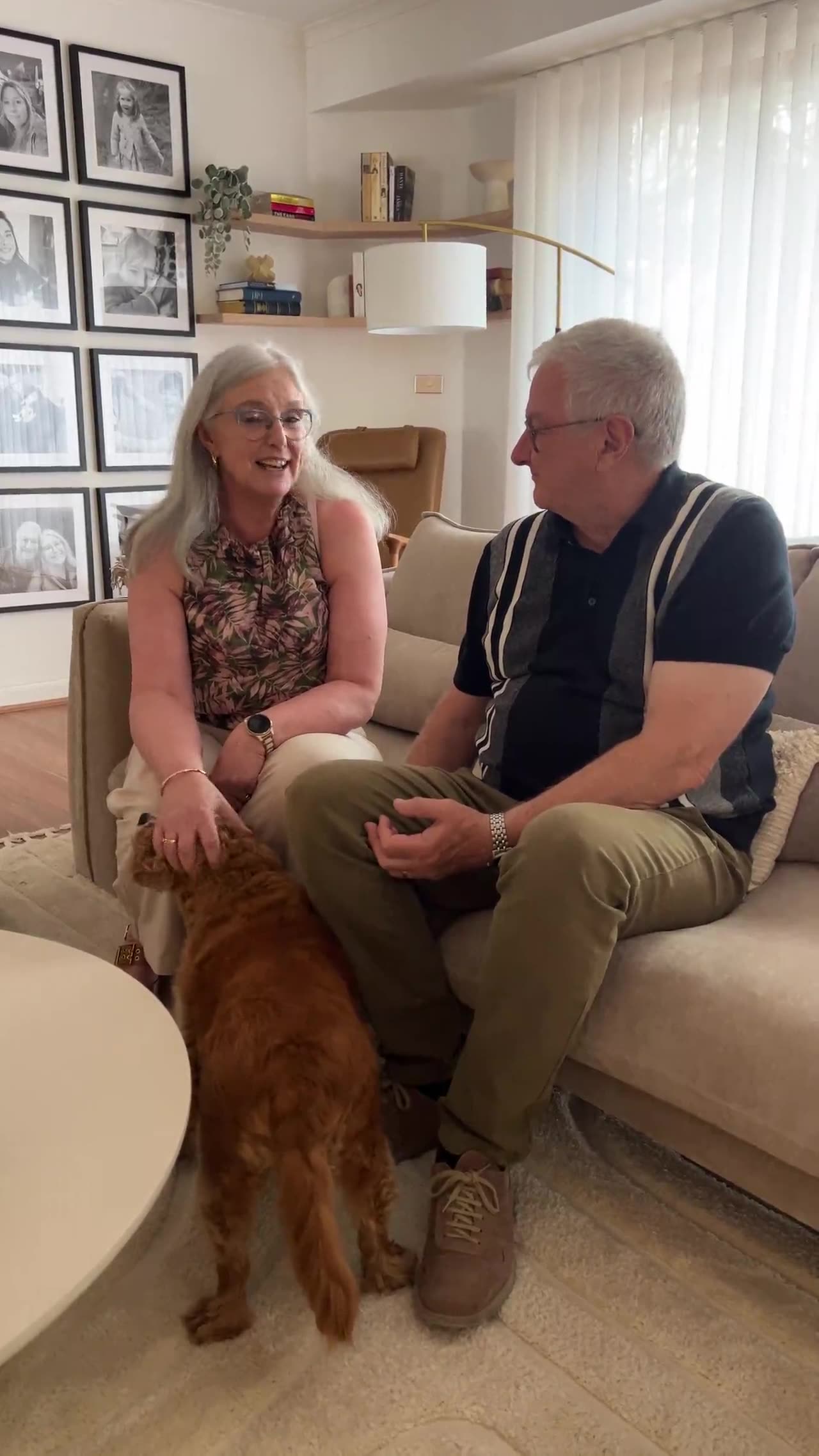 Client home
“We were at loggerheads in our home as to what to do with the bar.”
A leftover bar from a renovation twelve years earlier, full of junk, and two people who had looked at it for so long they could not picture the corner any other way. That is the hard part of living with a room. Srishti stood in it with them; it is a working study nook now.
Click it to play with sound. A hundred seconds, filmed in their house, not ours.
This is what it looks like when both jobs get done.
Built by their builders. Resolved on paper with us first, so nobody was standing on site at eight in the morning waiting for an answer about joinery.


And the layer that arrives after the builder has gone.
Four short films from finished houses: a colour, a wall, a corner and a room that changed completely. None of it is written into a building contract, and all of it is what people actually mean when they say the house feels like theirs. Tap one and it opens with sound.

Good design isn’t about spending everywhere. It’s about spending intentionally.
Shown an expensive detail on site, the answer is often to leave it out. One feature got argued down purely on cleaning: you would have had to dismantle it to get behind it. Premium does not mean the most expensive version of every finish.
We look at what you touch every day and what is hard to change later. The budget goes there. Everything else gets simplified until it stops competing.
Spend where it is permanent, or where your hand lands on it daily.
Simplify where the room will not notice and the cleaning will.
“Do you want it running up the wall, or do you want it running across the wall?”
That is a permanent finish, asked and answered in about four seconds. Say nothing and the standard selection stands, and the option most people take is the one presented first.
Answer it at the speed it gets asked.
On the day, that question is asked and answered in about four seconds, with no drawing of the room beside you and no sample of the floor it has to sit next to. Start the clock and answer it the way you would in the room.
One family in Officer described that appointment twice. This is what they expected:
“It will be overwhelming. And with like a large amount of time Googling Pinterest.”“There’s just a gazillion colours to choose from.”
And this is what they said afterwards:
“I enjoyed the colours appointment very much so… I can’t wait for the build to start.”
Same family, same appointment.
 Client interview
“Do you want me to send my guy for the measurements?”
Architects, draftspeople, surveyors, brokers, builders, arborists, measurers, installers. We have worked with all of them before, and they answer to us rather than to you. When something is wrong on site, it gets fixed without you making the call.
“I know how huge of weight that was taken off my shoulder.” Officer, in the film further up this page.
One relationship. One number to call.
- Architect
- Draftsperson
- Surveyor
- Broker
- Builder
- Arborist
- Measurer
- Installer
Your builder brings their trades. We bring ours, and we have worked with them before. When something isn’t right, it is our call to make.
 Hillside
They had done two or three houses on their own before this one, and it never came out the way they wanted. What they went looking for the third time was not more taste. It was somebody who does this as a day job, so the chasing stopped being theirs.
“You won’t even know that that’s what you want until you see the actual project.”
None of this is our argument. It is theirs. Filter by what was worrying them before they called.
“I don’t want to burden ourselves with making expensive mistakes.”
Client interview“For me, I’m quite time poor.”
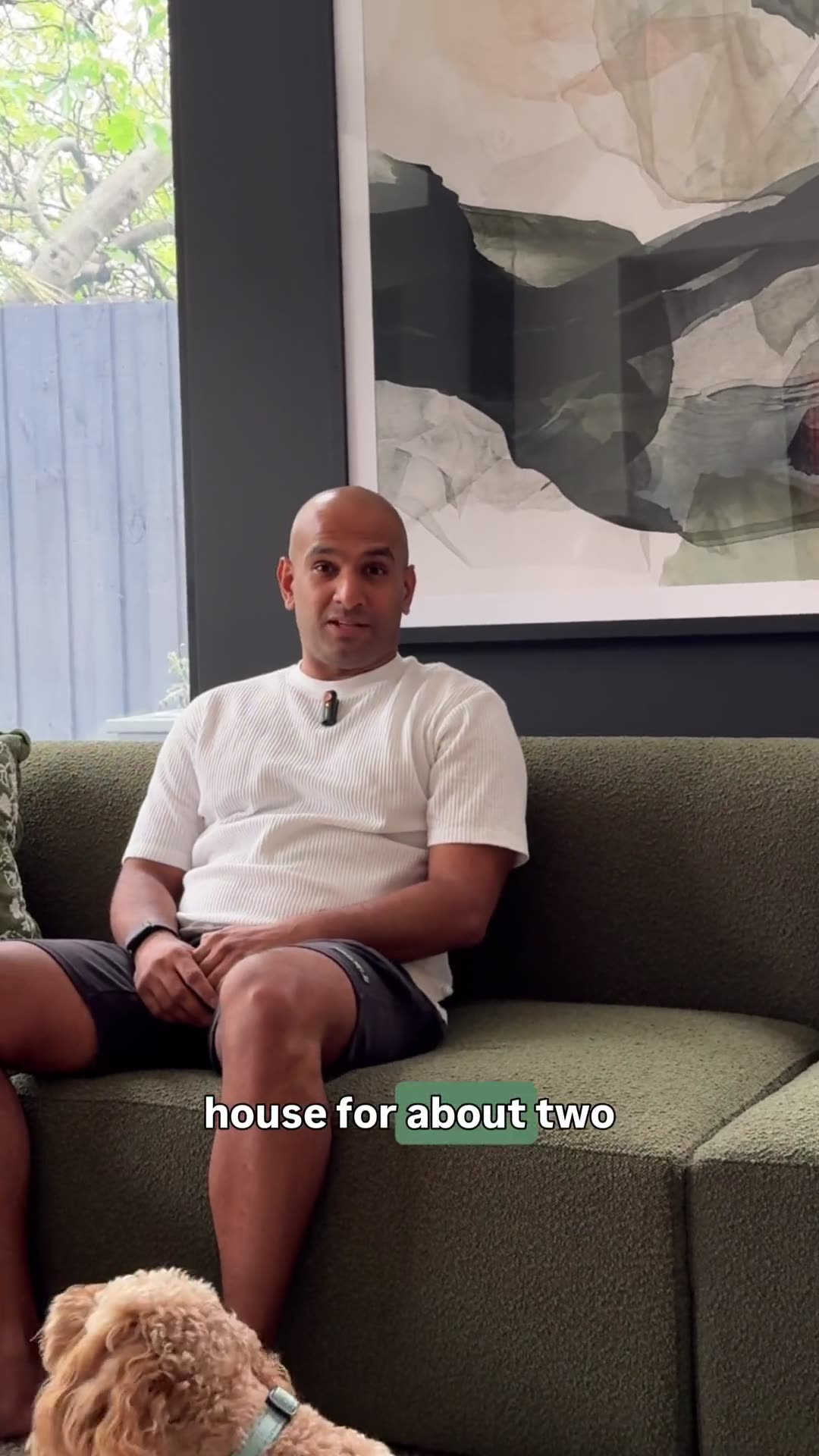
“I thought I can do it myself. I’m a smart girl, I can do a lot of things.”
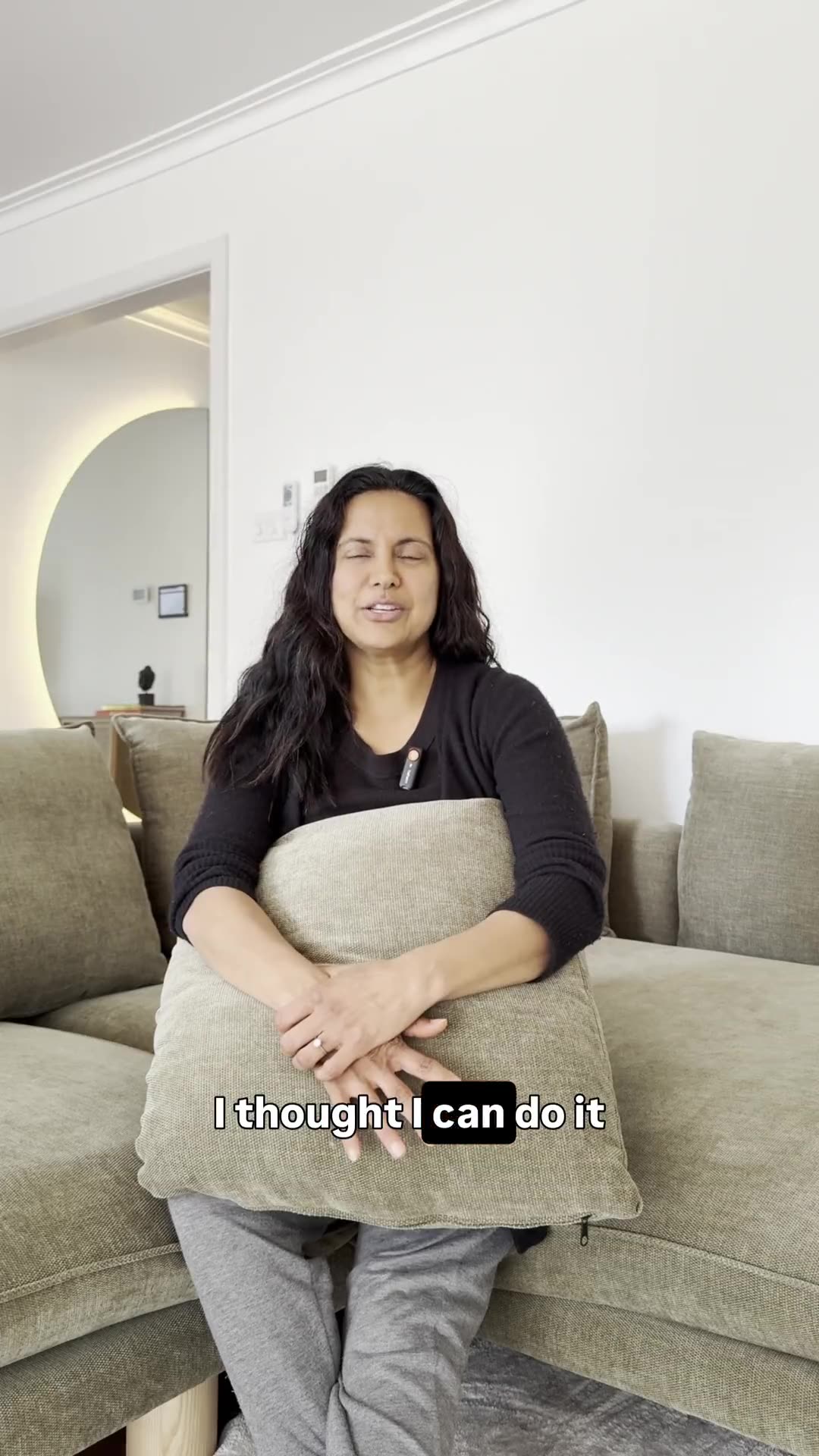
“When I’m talking like just point, point, point, she can help me, show me what I want.”

The rest of it, in under a minute each.
What a builder’s quote does and doesn’t include. Why one change is never one change. What staying in control of your own house actually looks like. Pick one and it starts playing here, with sound.

Bring your builder. Bring your plans.
We work alongside your build rather than against it. The call is a conversation about where your house is up to and what is still open to you. The earlier we have it, the less any of this costs you.
It is free and there is no obligation. It works best before you sign with your builder, though we start with families at every stage on that rail.
Tell us who you are building with when we talk. Srishti would rather arrive already knowing their process and their standard range.
Contract signed. 4 of the ten big decisions are still free to change.