 Snug Nest
"I spent years doing something that made sense and now I get to do what feels right."
Srishti runs Snug Nest Designs out of Malvern East, on new builds and full renovations across Melbourne. The studio is small on purpose. The people you meet on the first call are the people who turn up on your site.

"I always get asked, how did you go from tech to interior design after 11 years? And honestly, I didn't see it coming either."

Raised by academically driven Indian parents, the path was already drawn. Doctor or engineer. She chose engineer, and eleven years in tech followed.
"I did everything right. Good job, stable career, all of it. But there was always something missing."
Then COVID, and a first home of their own. She went all in: floor plans at the kitchen table, finishes on the phone, awake until two or three at night because she didn't want to stop. Nobody had asked her to. That was the tell.
She enrolled in an interior design diploma and started on her own house. There was no looking back after that. The thought that still comes back when she looks at the corporate years is a short one: why didn't I do it earlier.
Which is, more or less, why this website exists.
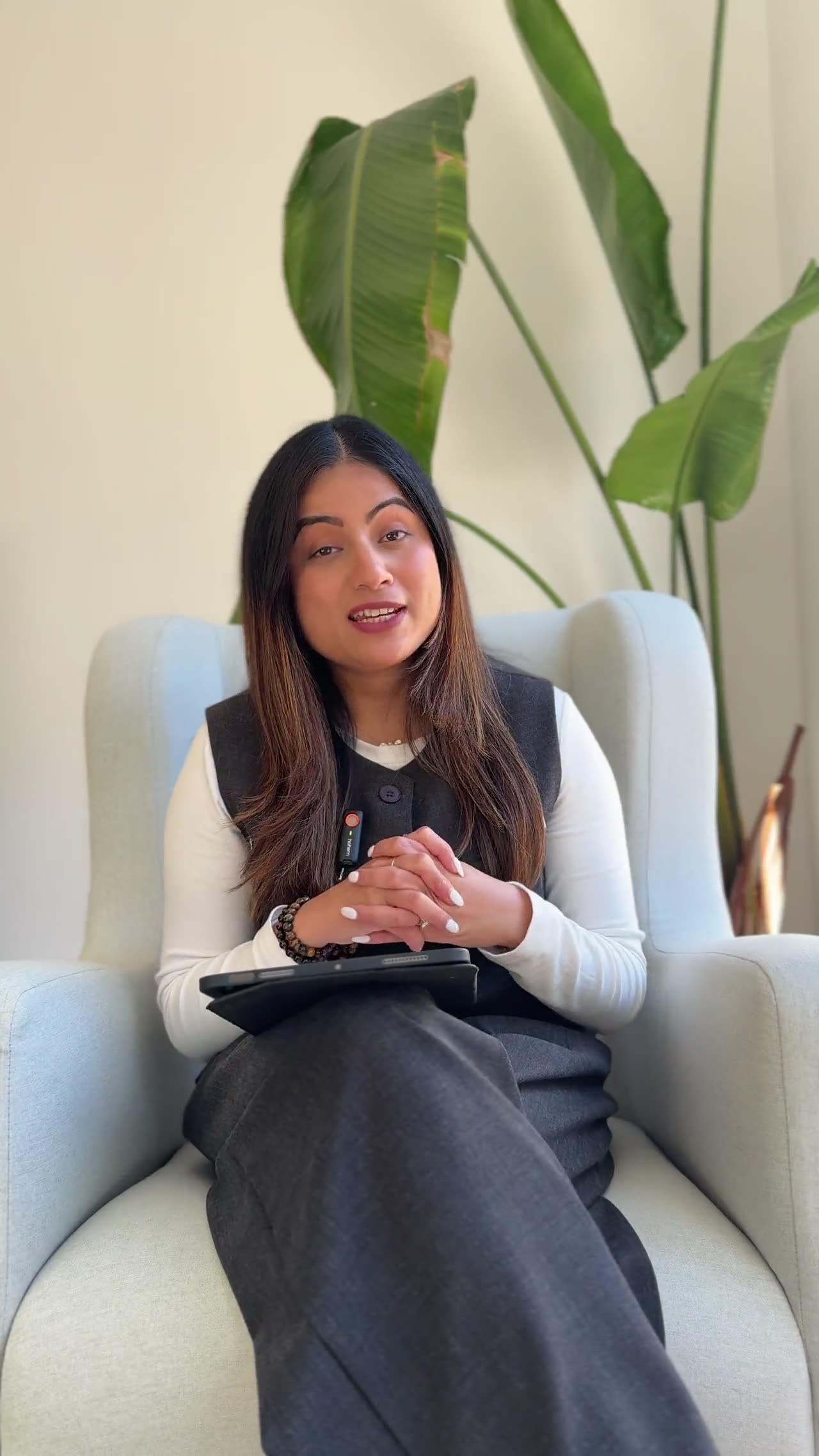 Srishti


"Turns out those 11 years in tech are still a big part of how I design and operate my business today."
Systems, sequencing, dependencies, a paper trail. A build is hundreds of decisions that have to land in the right order against a fixed handover date. That was the job before this was the job. The business half she learned from scratch, on the go, while running real projects.
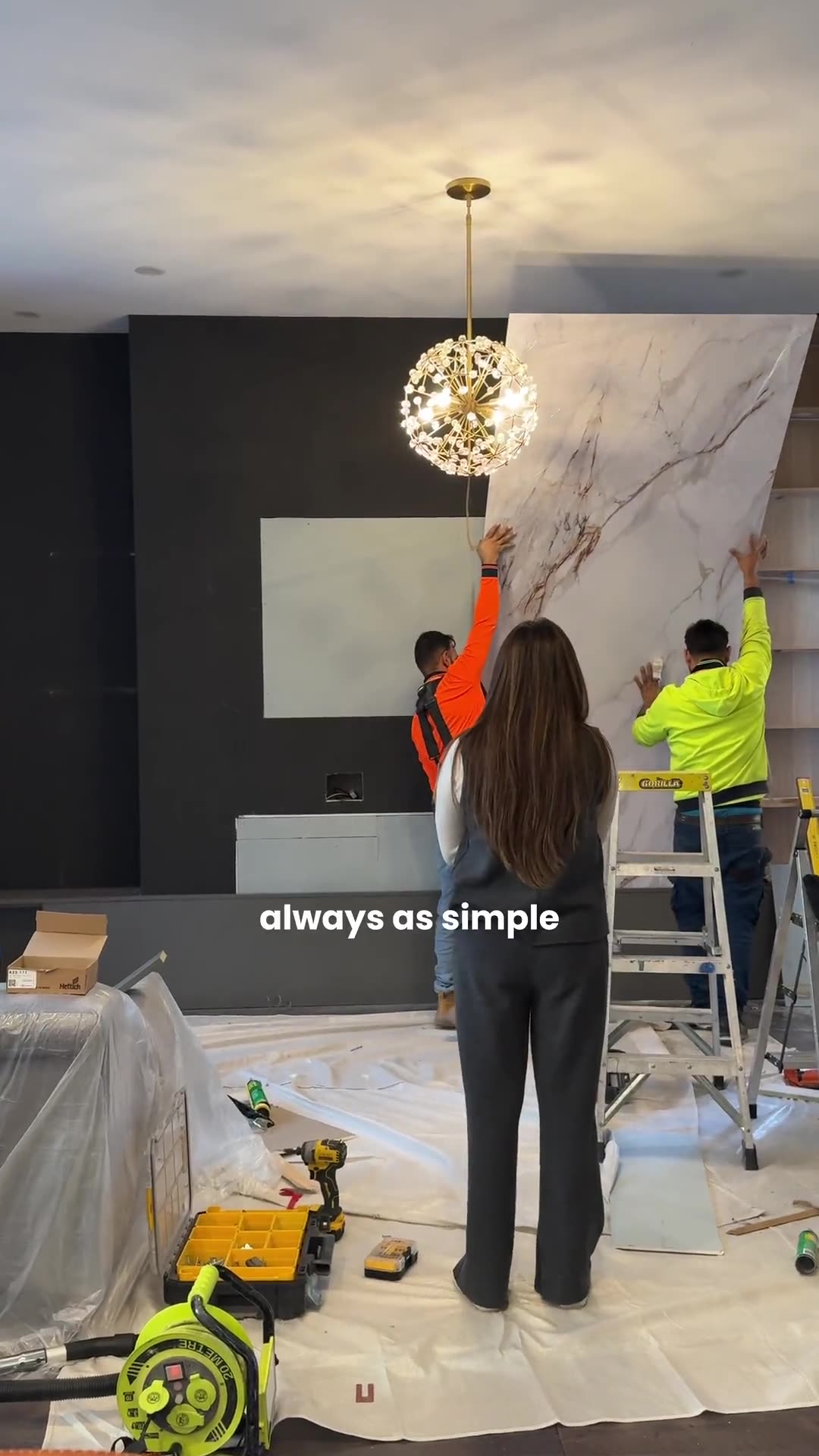
Move one downlight, and here is what moves with it.
The electrician is already working to that plan. So is the joiner. Pick any of the five.
Circuits, switch positions and powerpoints, all set out on a plan the electrician is already working to.
"The cost of a change isn't always as simple as changing one thing." Sequence the decisions in the right order and most of this never has to be traced at all.
Contract signed. 4 of the ten big decisions are still free to change.
The Ledger exists because of this. It scores ten of these decisions against the week a designer actually arrived. See all ten
The people who turn up.
The studio is small on purpose. Whoever you meet on the first call is the one standing in your kitchen when the joiner has a question about a cabinet depth. They design, draw, measure, source, and are in the room while the trades are in it.
Same people on the call as on your site.
Tap any photograph to see it larger.
"This whole business started purely out of passion. I absolutely love doing what I do every single day and that's what keeps me going."

"Okay, I don't want to get in the camera now. So, this is the height."
A wall measured against her own height, because that was what was in the room. A 0.5 lens argued about on a construction site. Counting into takes. Most of the work looks closer to this than to the finished photographs.
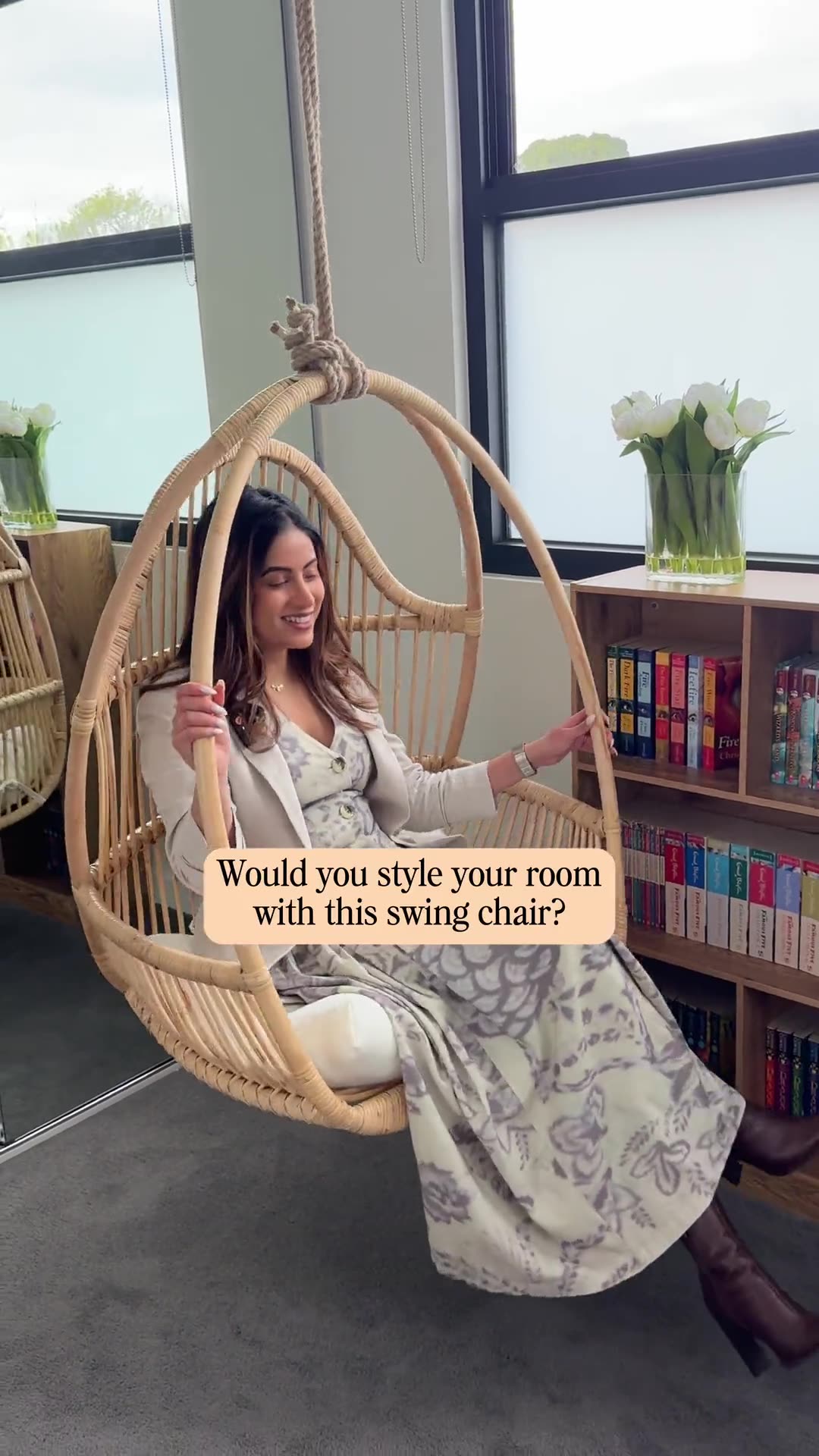


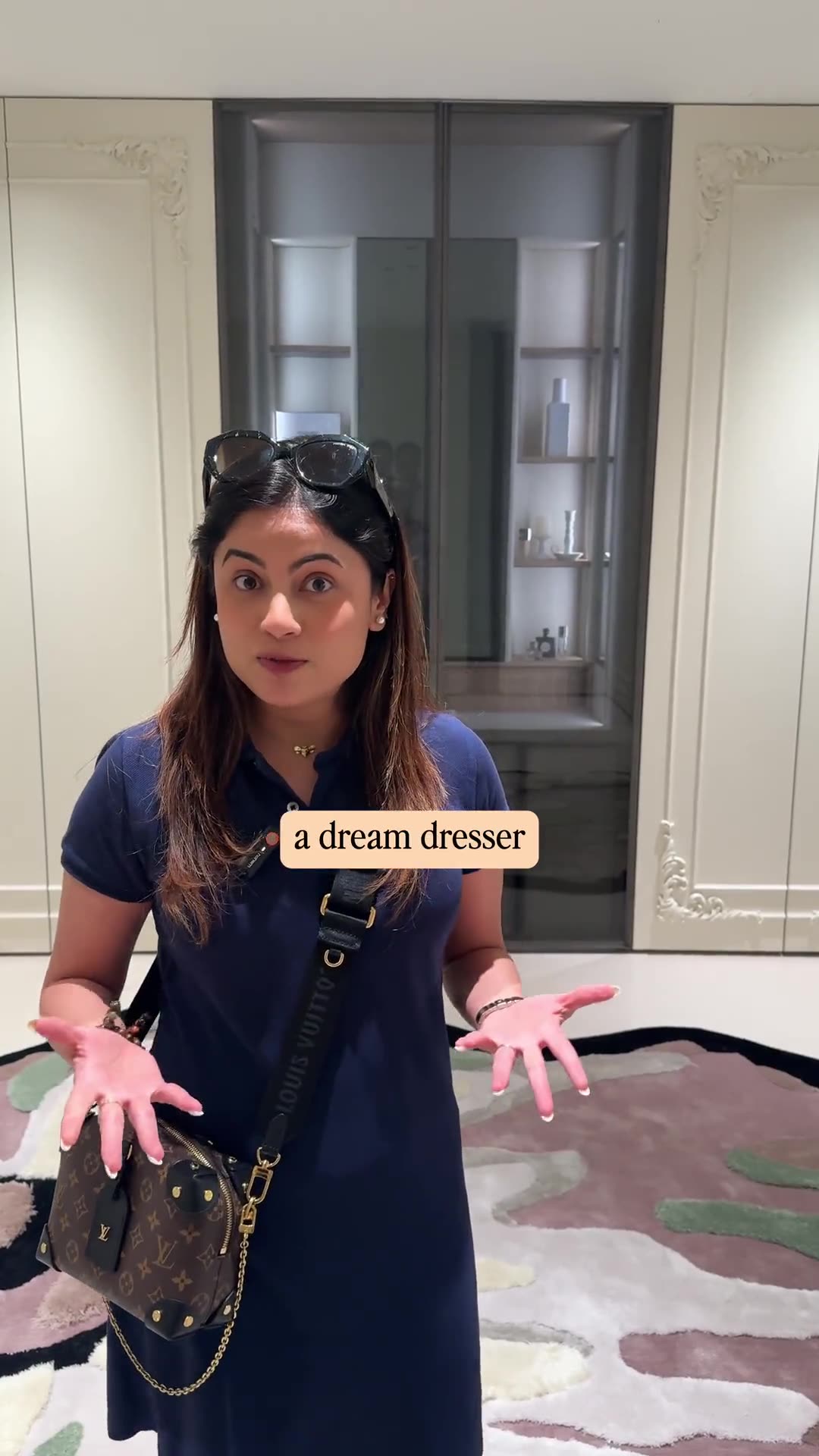
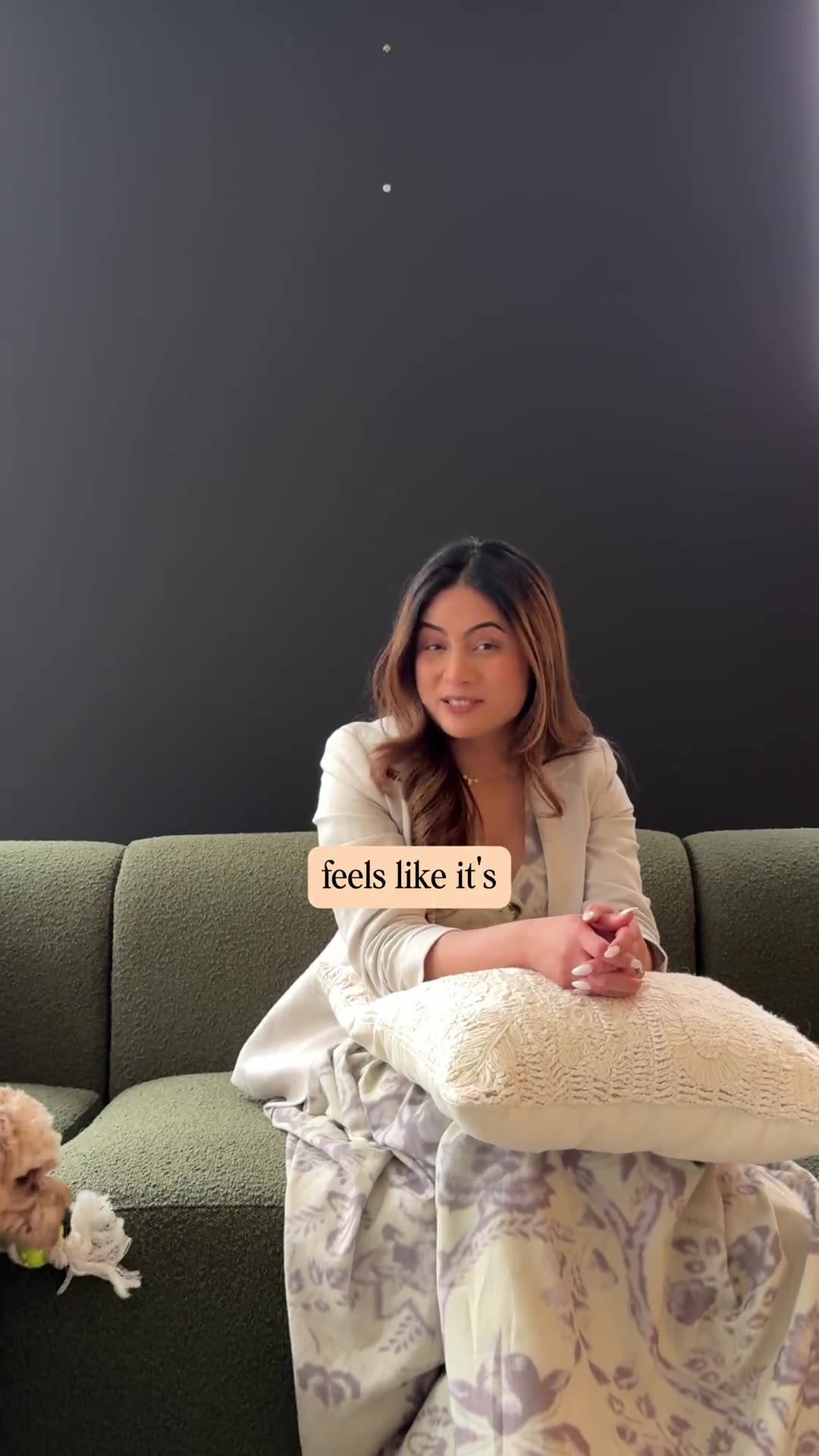
The same things she'd tell you on the phone.
Short answers filmed at the studio. Nothing scripted, and nothing she wouldn't say to you on a first call. Tap one and it plays.
Want to know if a home was truly designed around the family? Look at the laundry.
Not the rooms guests see. The one that has to work on a Tuesday night, with school uniforms, a full basket and nowhere to put anything down. A home can look beautiful and still be completely wrong for the family living in it.
Which room tells you most about whether a home was designed around the family?
Six things a designed laundry has that an undesigned one doesn't.
Tap any of them, on the plan or in the list. Each one adds a line to what it costs you every week.
A schematic, not a measured plan.
What that costs you every week
Nothing yet. Pick any of the six and the list builds as you go.
Bring your floor plan and we'll do this with your actual laundry.
Let's make sure you and your partner are still together at the handover.
A free discovery call, and the other person should be on it too.
"We look beneath the labels to understand what each person actually responds to, then find a shared design language through materials, forms, and atmosphere. The goal is not to compromise everywhere. It is a home both people recognise as theirs."

Luxury should improve everyday life, not only photographs.